How to Choose the Right Stone Benchtop for Your Kitchen
Choosing the right stone benchtop can feel overwhelming with countless colours, patterns, finishes, and materials available. The right surface should suit everyday cooking while complementing the kitchen’s overall design. It should also balance durability, maintenance, appearance and budget for long-term satisfaction.
Your choice depends on how the kitchen is used and how often it needs cleaning. A busy family kitchen may need different priorities from a space used occasionally. This guide explains the key factors to consider before selecting your ideal surface.
What Should You Consider Before Choosing a Stone Benchtop?
Before choosing a kitchen benchtop, consider how the space works, looks and fits your budget. These factors can help narrow the options without making the decision unnecessarily complicated. Looking beyond colour and price can also prevent problems after installation.
Kitchen layout
Measure the available space and consider islands, corners and working areas.
Lifestyle
Think about cooking frequency, household size and everyday kitchen activities.
Style
Check the care requirements for each material before making a decision.
Maintenance
Measure the available space and consider islands, corners and working areas.
Budget
Compare material, fabrication, installation and finishing costs together.
A surface that looks perfect may not suit your daily routine or maintenance preferences. Similarly, the cheapest option may not provide the appearance or features you want. Considering these details early makes the final decision much easier.
Which Stone Benchtop Material Is Right for You?
Several kitchen benchtop materials can suit modern kitchens, with engineered stone and porcelain among the options worth considering. Each material can offer a different appearance, finish and maintenance approach. The best choice depends on the kitchen design, lifestyle and personal priorities.
Silica-free Engineered Stone
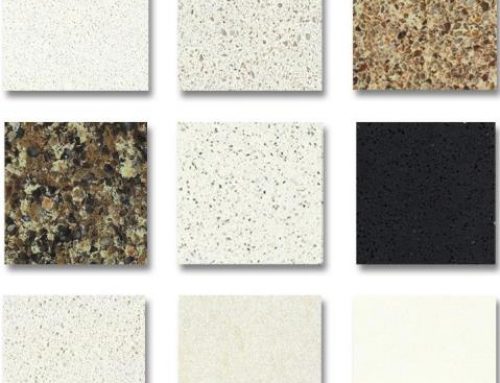
This option can provide a consistent appearance with a wide range of colours and patterns. It may suit homeowners wanting a coordinated and contemporary kitchen design.
Porcelain
Porcelain can create a refined appearance and comes in various colours and finishes. Its care requirements should be checked against the manufacturer’s recommendations.
There is no single material that suits every kitchen. Compare the characteristics of each option rather than choosing purely by appearance. Product specifications and manufacturer guidance should always inform the final decision.
How Can You Match Your Benchtop With Your Kitchen Design?
Choosing the right stone benchtop colours can help create a balanced and cohesive kitchen. Start by looking at cabinetry, splashbacks, flooring, handles and tapware together. The surface should either complement these elements or become a deliberate feature.
Lighter surfaces can help smaller kitchens look more open and spacious. Darker colours can create stronger contrast and give larger kitchens a distinctive focal point. Strong veining can also become a feature, while subtle patterns can create a calmer appearance.
Natural light can change how colours and patterns appear throughout the day. Always check physical samples within the actual kitchen before making a final choice. Online images may not accurately represent how a surface will look under different lighting conditions.
How Does Finish, Edge, and Thickness Affect the Look?
The finish can noticeably change the appearance of a stone benchtop surface. A polished finish may create a refined look, while other available finishes can provide a different visual character. The best option depends on the desired style and practical requirements.
Edge profiles also influence how the benchtop connects with cabinetry and other kitchen features. A simpler edge can create a streamlined appearance, while a more detailed profile can add visual interest. Thickness can similarly make the surface appear substantial or more understated.
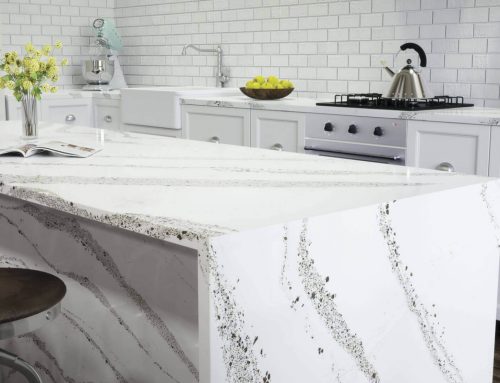
Kitchen islands can provide an opportunity to introduce distinctive features. Waterfall edges can extend the benchtop material down the sides of an island for a continuous appearance. These details should be considered alongside the overall kitchen layout and design.
How Much Should You Budget for a Stone Benchtop?
The stone benchtop cost varies because every kitchen has different dimensions, materials, and fabrication requirements. The selected surface can influence the overall price, while larger kitchens generally require more material. Additional fabrication can also change the final quote.
Sink and cooktop cut-outs may add to fabrication costs. Edge profiles, joins and installation requirements can also affect the total amount. Complex layouts may require additional planning and fabrication compared with simpler designs.
Compare quotes by checking exactly what each price includes. Ask whether fabrication, installation, cut-outs, edging and finishing are included. A clear comparison helps avoid unexpected costs and makes different quotes easier to assess.
How Can You Maintain Your Stone Benchtop for Longer?
Good care can help maintain the appearance of engineered stone benchtop over time. Start by following the specific manufacturer’s cleaning and maintenance instructions. Different materials can have different care requirements, so general advice should not replace product guidance.
- Clean spills promptly using suitable cleaning products.
- Avoid harsh or unsuitable chemicals where the manufacturer advises against them.
- Use cutting boards when recommended for the selected surface.
- Use trivets or suitable protection where advised by the manufacturer.
- Follow the recommended cleaning routine for the specific material.
Simple habits can make everyday care easier and more consistent. Avoid assuming that every stone or porcelain surface responds to cleaning and heat in the same way. Always check the product’s specific recommendations before using new cleaning methods.
What Common Mistakes Should You Avoid?
Choosing the best stone benchtop for kitchen requires more than finding an attractive colour. Small details can affect the final appearance, usability and overall cost. Reviewing these factors before ordering can prevent avoidable disappointment.
Choosing only by appearance:
A beautiful surface may not match your maintenance expectations.
Choosing only the cheapest quote:
A lower price may exclude important fabrication or installation work.
Skipping physical samples:
Colours can appear different under your kitchen’s lighting.
Ignoring maintenance:
Different materials may require different cleaning practices.
Forgetting cut-outs:
Sink and cooktop positions should be confirmed before fabrication.
Overlooking joins:
Slab layout can influence where joins appear across the surface.
Not confirming measurements:
Accurate measurements are essential before fabrication begins.
These checks can make the selection process more practical and predictable. Discuss measurements, fabrication details and installation requirements before confirming your order. Taking time to review the details can help the finished kitchen meet your expectations.
Final Tips for Choosing the Right Stone Benchtop
Knowing how to choose a stone benchtop becomes easier when you consider the right factors in a clear order. Consider your lifestyle, kitchen design, maintenance expectations and available budget before comparing materials. View physical samples and confirm fabrication details before making your final selection.
A suitable stone supplier can help you understand available materials, finishes and fabrication requirements. Still Stone can assist homeowners exploring stone benchtop solutions for different kitchen designs. Take time to compare your options and choose a surface that suits your everyday needs.
FAQs
Porcelain can be a practical choice for homeowners looking for a modern kitchen benchtop. Its appearance and care requirements can vary between products. Always check the manufacturer’s specifications before making your final choice.
Light-coloured stone benchtops can help a smaller kitchen appear more open and spacious. White, cream and other lighter tones can reflect more light and create a brighter visual effect.
There is no fixed rule because both approaches can create attractive results. A lighter benchtop can create contrast against dark cabinetry, while a darker surface can add depth to lighter cabinets.
The ideal thickness depends on the desired appearance, material specifications and kitchen design. Thicker edges can create a more substantial look, while slimmer designs can provide a streamlined appearance.
Start by considering your cabinetry, splashback, flooring, lighting and overall kitchen style. Physical samples should then be viewed in the actual kitchen before making a final colour decision.
Yes, stone benchtops can generally be fabricated to suit specific kitchen layouts and requirements. Sink cut-outs, cooktop cut-outs, edges, joins, and other details should be confirmed before fabrication.
Ask about the material specifications, available finishes, slab sizes, fabrication, installation, maintenance requirements and what the quoted price includes. Confirming these details can help avoid unexpected costs or installation issues.
Stone and porcelain benchtops can vary in appearance, composition and care requirements. The right option depends on your kitchen design, lifestyle, and the features you value most.